
TOEFL Preparation at Two State Islamic Universities in Aceh: Why Does This Graduation Requirement Feel So Heavy?
A TOEFL score has become a gateway to
graduation at many Indonesian universities. At UIN Ar-Raniry Banda Aceh and UIN
Sulthanah Nahrasiyah Lhokseumawe, final-year students must reach a minimum
score of 400 for non-language majors before they can defend their thesis. For
some students, this requirement is less a measure of ability than an
administrative hurdle that triggers anxiety and can delay graduation.
Our research team, Khairul Azmy and Muhammad
Hafash, compared how the two campuses prepare students for the test. Using a
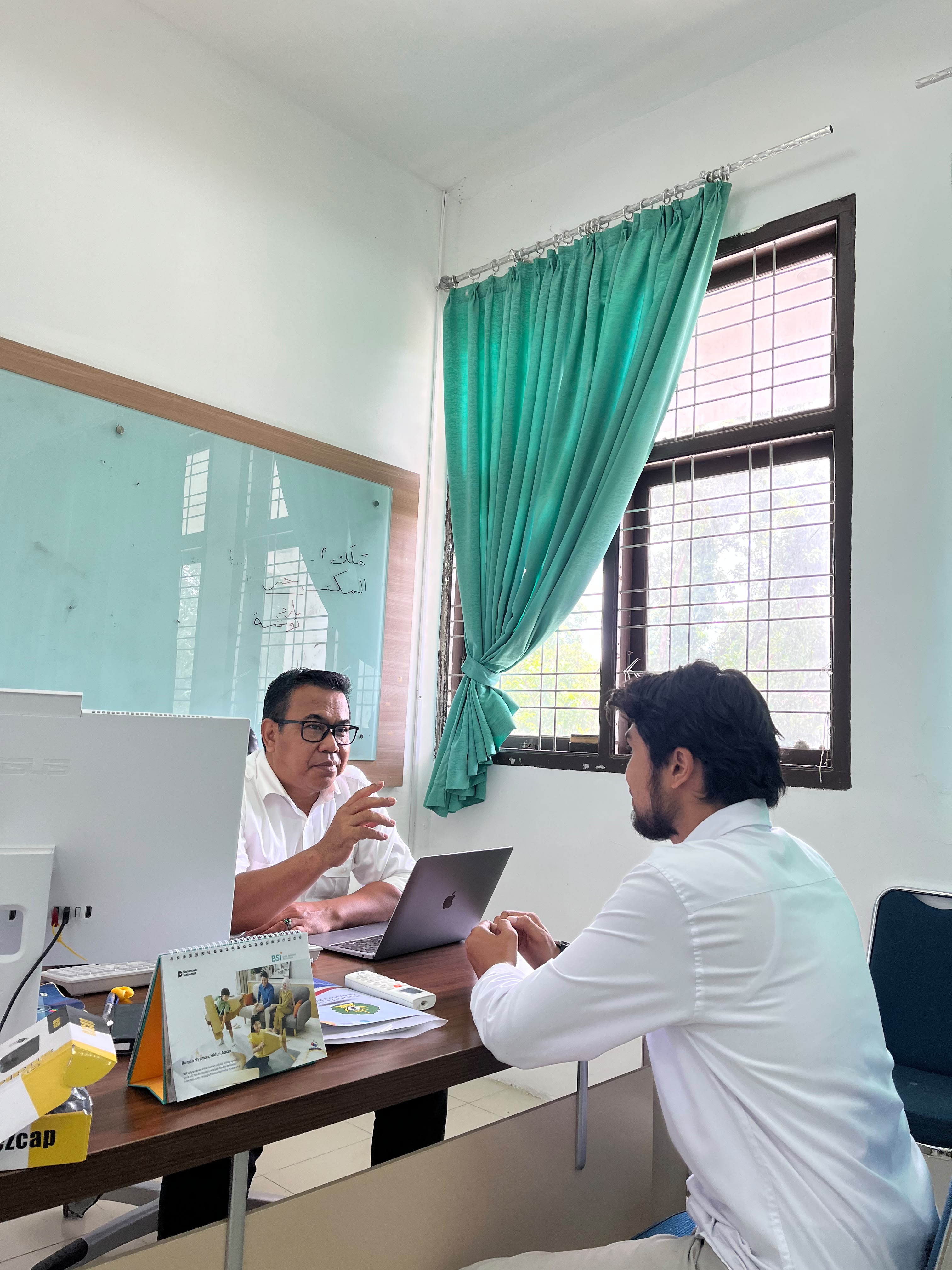
qualitative approach, we interviewed ten informants: two language center
directors, four tutors, and four students. We looked at program design,
teaching methods, and the challenges that directors, tutors, and students
experience.
The two programs are designed differently. At
UIN Ar-Raniry, coaching is offered to students who have already failed the test
repeatedly. It runs for six meetings for non-language majors and twelve for the
three language majors. At UIN Sulthanah Nahrasiyah, students take a pre-test in
semester five and then join a free twelve-session course taught by external
tutors who have scored 500 or higher on the TOEFL.
Despite these differences, the programs
converge in practice. Both focus on test-taking strategies under tight time
limits, give tutors wide autonomy, and monitor quality through participant
satisfaction rather than outcome data. Students say the clearest benefit of the
course is familiarity with the test format. Their anxiety comes from the
graduation timeline and from hearing about classmates’ attempts. No informant
reported a counseling service for test anxiety. No student described cost as a
barrier as well. Students who see the requirement as unfair point instead to
general English courses that never introduced the test.
Based on the findings, we recommend that
universities:
- Group participants by level using placement test results.
- Introduce the test format and purpose early in general English
courses, not in the final year.
- Offer preparation before students fail repeatedly.
- Provide a clear route to support and counseling referral for
students with test anxiety.
- Collect outcome data, such as score gains and attempts to pass,
alongside satisfaction surveys.
- State the purpose of the TOEFL requirement openly and review
whether the TOEFL ITP fits that purpose.
- Improve audio quality in practice rooms and fix device connections.
We hope these findings help universities build language support that is earlier, more humane, and more focused on meaningful language ability, so that the TOEFL requirement no longer feels like an obstacle at the very end of a student’s studies.